By the final years of high school, something begins to change. For many students, curiosity gives way to routine. Learning becomes increasingly focused on completing assignments, preparing for exams, and earning grades. The sense of wonder that comes so naturally in childhood (remember that feeling?) can slowly be replaced by simply getting through the next semester. Recent research highlights some of the challenges students face in today's classrooms. According to...
Read MoreSeven weeks ago, we arrived in Kota Kinabalu and stepped back into the rhythm that defines THINK Global School: finding our feet in a new country, welcoming new students from across the world, and working out how to become a community all over again.

At the beginning of the term, we told our students that their learning would centre on pluralism. I suspect a few quietly wondered, “That sounds important, but what exactly does it mean?”
Now, having lived and learned together in Sabah, I think we understand that pluralism is not something we can learn simply by reading about it. It is something we experience.
We experienced it in conversations with people whose lives and perspectives are different from our own. We encountered it through languages, faiths, food, traditions and stories. We experienced it while navigating unfamiliar places, unexpected weather, changing plans and the daily challenge of deciding where 27 students should eat.
Perhaps that last example captures pluralism rather well. We may not agree on where to have dinner, but somehow, eventually, we find a way to sit together and share the same table.
Every student and staff member arrives at TGS with their own cultural lens, beliefs and ways of navigating the world. Focusing on pluralism asked us to move beyond simply recognising or tolerating those differences. It challenged us to engage with them.

Pluralism does not demand complete agreement, nor does it ask anyone to set aside who they are. It asks us to be secure enough in our own identity that we can remain genuinely curious about someone else’s. That means listening carefully, questioning our assumptions and sometimes sitting with the discomfort of discovering that another person sees the world very differently from us.
Sabah has been an extraordinary place in which to explore these ideas. Shaped by many Indigenous ethnicities, languages, faiths and overlapping traditions, it is a place where pluralism is not an abstract concept, it is part of daily life. Throughout the term, our students learned alongside local partners, guest speakers, community members and country hosts. They were welcomed with generosity and patience, invited to ask questions and trusted with people’s knowledge, experiences and stories. This learning would not have been possible without the many people who opened their communities to us.
Just as importantly, our students learned from one another.
Some of the most meaningful learning did not take place during a formal lesson or presentation. It happened during long bus rides to weXplore, late-night games in the common room, spontaneous music sessions and shared meals filled with stories and laughter.
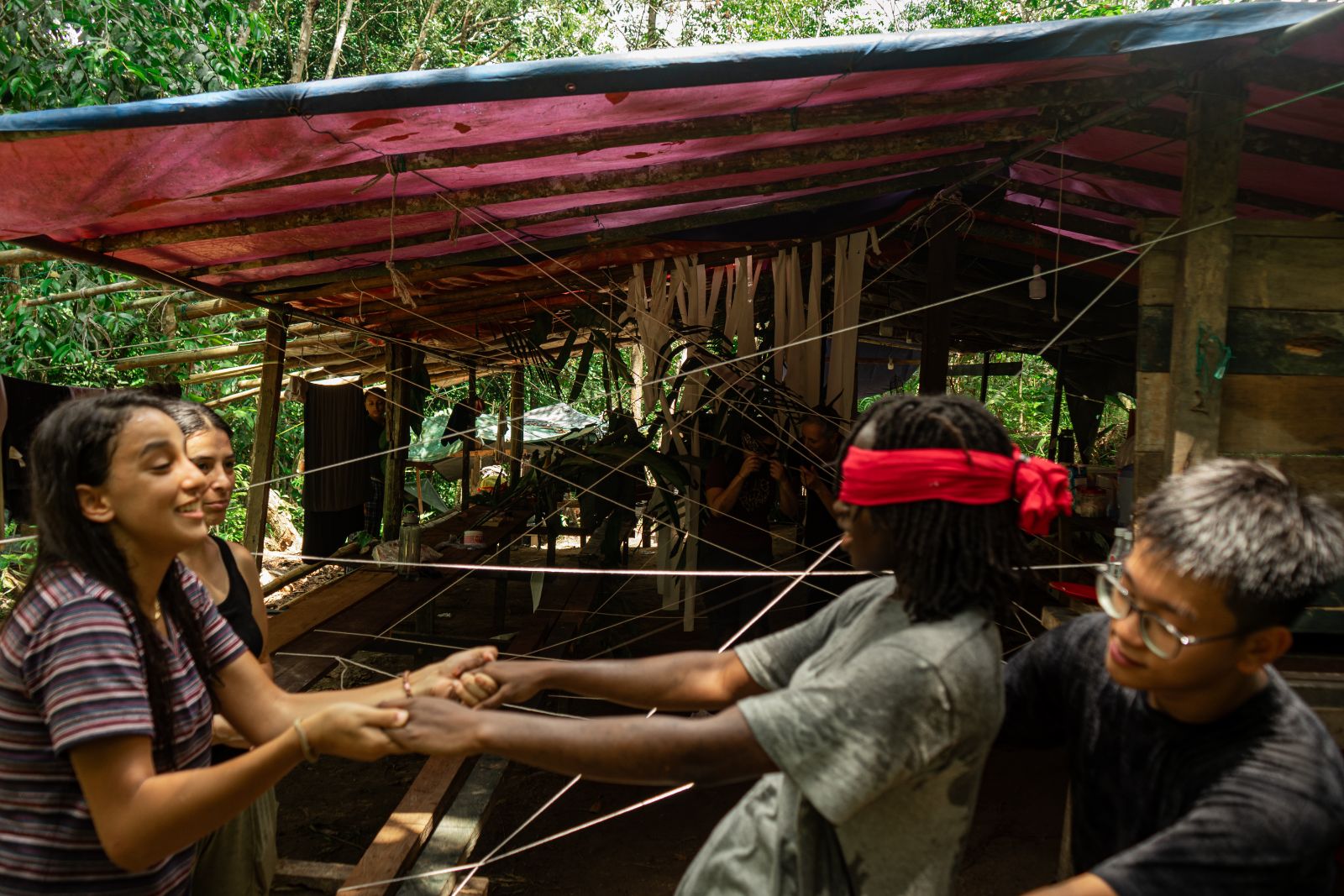
The arrival of new students from around the world brought this into sharp focus. Joining a travelling boarding school requires courage. New students must learn in unfamiliar ways, find their place within an established community and share parts of themselves with people they have only just met. For returning students, it means widening friendship circles, letting go of familiar group dynamics and recognising that our community changes every time someone new joins it.
That may be both the hardest and the best thing about TGS: we are continually beginning again. Each term brings a new country, a new context and a new version of our community. We must work out how to live under one roof, communicate across languages and cultures, and take responsibility when things do not go quite to plan. And, of course, things do not always go to plan. Perhaps part of the beauty of life is learning to notice the possibilities hidden within those unexpected moments, even when they challenge us.
Living pluralism does not mean avoiding disagreement or friction. It means having the humility to repair things when they go wrong. It means owning a mistake, returning to a difficult conversation and trying again the next day. This term we have watched our students grow through this process. They have asked more thoughtful and empathetic questions, reconsidered assumptions that no longer quite held together, and shown up for one another beyond the formal curriculum. At our Celebration of Learning Showcase, they shared far more than completed projects. They shared discoveries, questions and changing perspectives.
That is real learning.
None of this happens without an extraordinary team of TGS staff. They create learning from every experience, solve problems before most of us know those problems exist, and somehow continue smiling while answering emails, updating HubSpot, completing residence duty, accompanying students to clinics and managing the million other details that make a TGS term possible.
Their work may not always be visible, but their impact certainly is.
A special thank you must go to Jon, our Host City Specialist, who has been our guide, connector, problem-solver and, on many occasions, magician. Whenever we needed a person, a place, an answer or a last-minute change of plan, Jon somehow made it happen, usually while remaining far calmer than the rest of us. He has not simply supported our program; he has become a valued part of our TGS community.
As we leave Kota Kinabalu, I hope we carry the spirit of this term with us. Everyone we meet holds experiences we have not had and stories we have not yet heard. Remaining open to those stories helps us deepen our understanding of the world and our place within it.
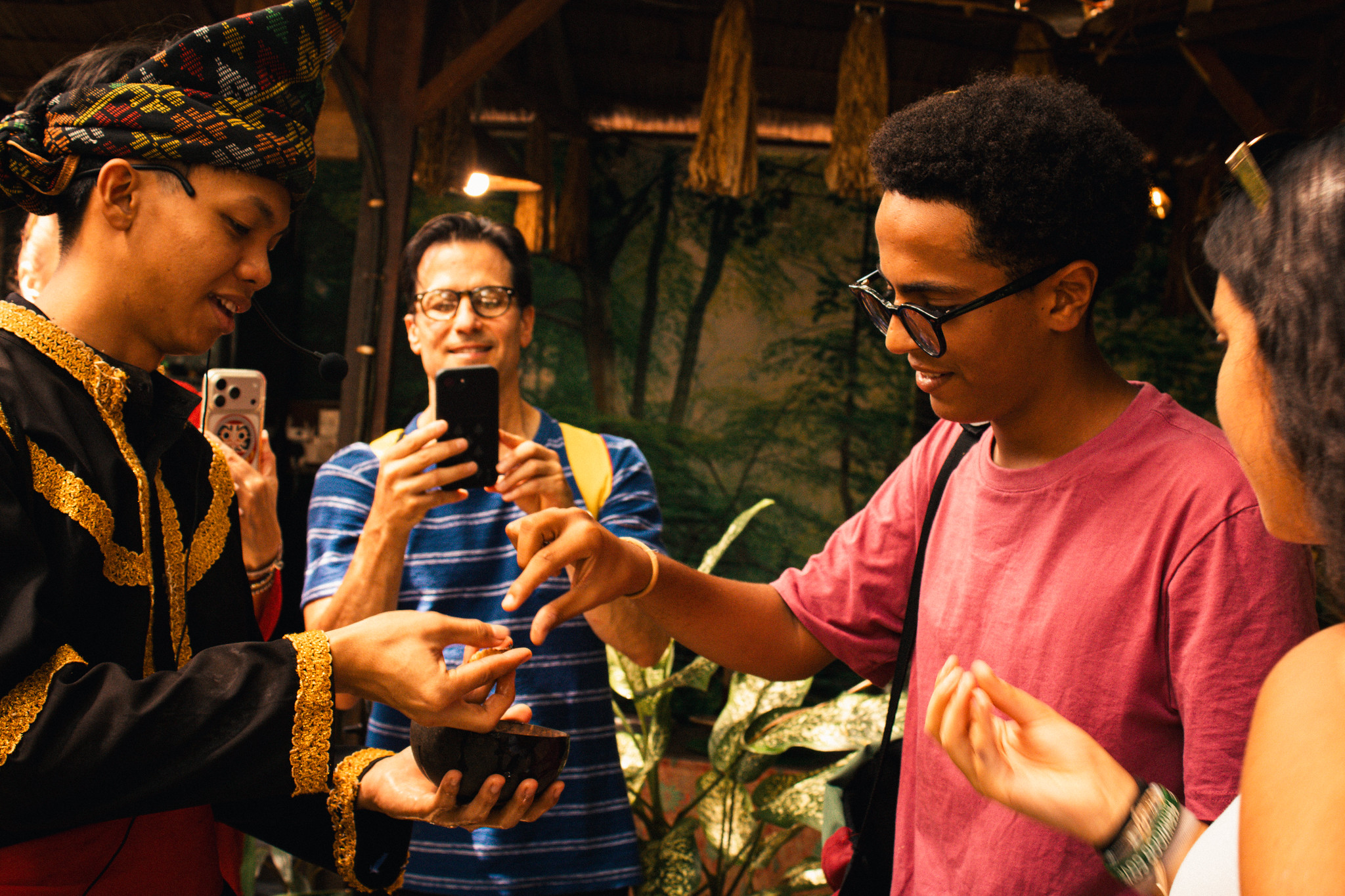
Terima kasih to the people of Sabah for welcoming us so warmly and sharing your home, heritage and wisdom with us. Thank you to our local partners, educators and support team who made this term possible. And to our students, thank you for leaning into the dynamic and deeply rewarding work of building a community together.
We leave Kota Kinabalu with new friendships and memories we will carry for many years. Most importantly, we leave with a deeper understanding of pluralism: it is not simply recognising that we are different. It is deciding that, despite those differences, we all belong at the same table.